PROJECT
Port of Brisbane International Cruise Terminal
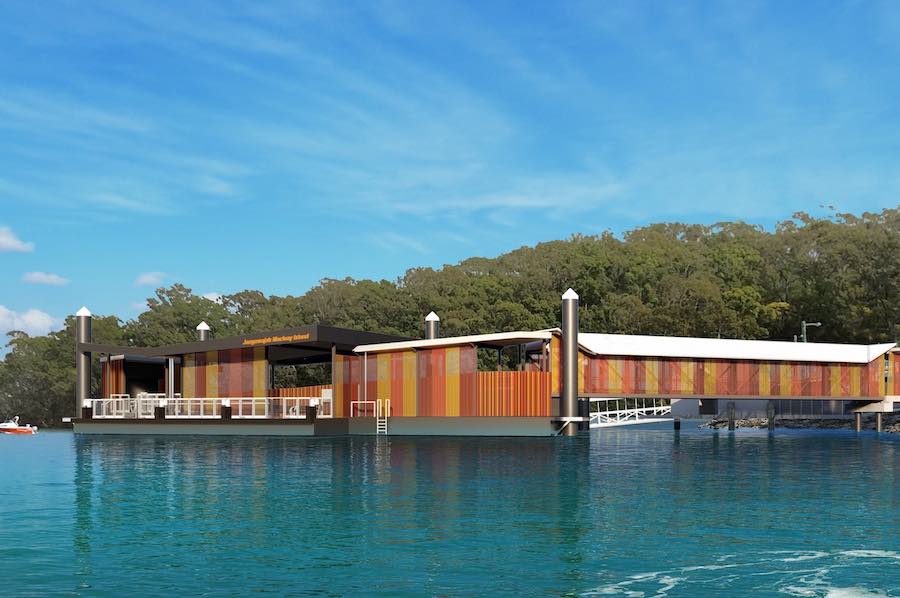
Port of Brisbane (PBPL) developed a new $177 million cruise facility for Brisbane and South East Queensland near the mouth of the Brisbane River at Luggage Point. The purpose-built cruise terminal facility caters for both domestic and international cruise tourism by accommodating vessels of all sizes to use Brisbane as a base port, transforming the city into a major cruise destination.

PROJECT HIGHLIGHTS
Location
Brisbane, Queensland
Client
Port of Brisbane Pty Ltd
Project Value
$177 million
Contract Period
March 2017 to December 2020
PROJECT BACKGROUND
The project included the funding approvals, planning and delivery of the new cruise facility and involved:
- Cruise terminal building
- Deep-water wharf and associated marine works including 70m long access bridges, which is linked to the operations yard to the wharf
- Civil, utilities, and landscaping works for the site.
CPM was initially engaged to project manage the PBPL's Market Lead Proposal (MLP) approvals submission under the Queensland Government's MLP framework. The PBPL was granted approval to proceed with the project from the Queensland Government, with CPM's engagement extended to include transaction management, planning and delivery phases of the project.
CPM undertook the planning and technical investigations, progressing detailed design and engineering work and liaison with key stakeholders. Once the engineering and the stakeholder requirements. were aligned, the delivery strategy was implemented to tender and award the main project elements and progress to construction.
We worked closely with PBPL throughout the delivery phase providing key resources in project and contract management and engineering through to the successful completion of the cruise terminal in April 2020.
CPM developed an innovative procurement strategy, breaking the scope into three main contracts to align with contractor capabilities. For example, the wharf portion of the contract was awarded to engage a specialist marine contractor for this technically challenging project. The wharf facility consists of a series of linked structures; 2 x access bridges, a narrow wharf, and a wide wharf plus the support structures for the elevated walkway. The maritime scope also included the design and construction of 4 x 'monopile' mooring dolphins, unlike any built in Australia previously.
CPM SCOPE OF WORK
- Developed and prepared the MLP Stage submission in conjunction with various PBPL departments to secure the go-ahead for the development
- Developed, recommended and managed project governance, procurement, and project strategies
- Project and design management for all aspects of the scope development and procurement phases of the project and construction phases in conjunction with PBPL Engineering
- Developed and prepared project plans, master program and sub-programs, tender documents and budgets in accordance with prescribed PBPL requirements and systems
- Engaged via PBPL and led multiple consultants, designers and contractors
- Led, facilitated and managed project meetings, workshops and stakeholder working groups
- Risk workshop facilitation and management
- Insurance recommendations and workshop facilitation
- Design management and input to, and management of, technical reviews and Safety in Design
- Contract management - procurement and tender processes, negotiation and formation
- In the delivery phase CPM provided key project delivery staff to assist in PBPL in the delivery of the work through to completion including Area PMs, Project Engineers and Contract Administration roles.


KEY ACHIEVEMENTS
- CPM developed an innovative procurement strategy and delivery plan that allowed flexibility in award, leading to an approximately capital saving of 15% over the traditional approach, whilst achieving better outcomes for stakehoilder and quality and reducing the risk to the client
- The team successfully managed the multiple project interfaces which included marine-based dredging and wharf infrastructure, land-based civil and sea walls and building infrastructure.